What good is it to be alive if you are not in the world
Women TalkingWhat good is it to be alive if you are not in the world? gives a practical, collective meaning to survival in Women Talking. The novel leaves the question’s speaker uncertain, but connects it to August Epp’s choice to live, teach, and help document the women’s meetings as they decide whether to leave Molotschna.
Attribution and Context
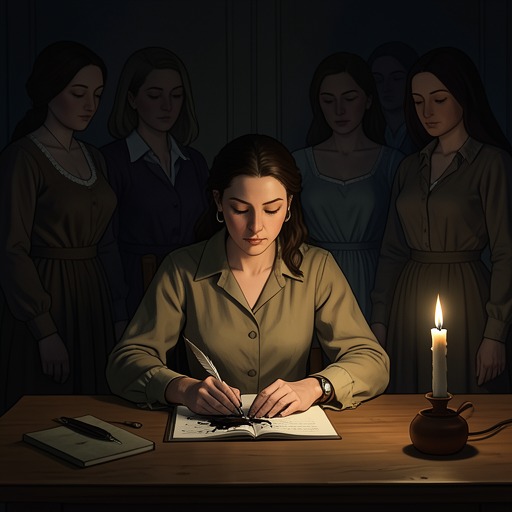
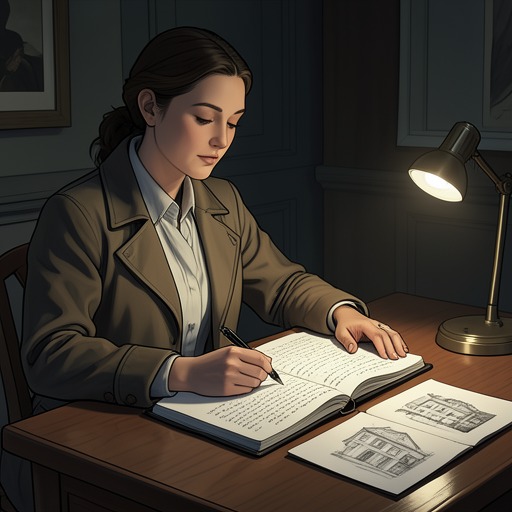
August Epp considers the question while reflecting on the minutes Ona Friesen has asked him to take. He initially wonders what use written records will be to women who cannot read them. He then considers that Ona may have asked a different question instead: What good is it to be alive if you are not in the world? The uncertainty matters: the line is not presented as a securely remembered quotation from Ona, but as August’s possible understanding of what she was asking him to do.
That exchange takes place against an urgent ultimatum. The remaining men, except for those too old or infirm and August, have gone to the city to post bail for the imprisoned attackers, hoping the accused men can return to Molotschna while awaiting trial. Peters says the women will then have the opportunity to forgive them; if they refuse, they must leave for an outside world they know nothing about. They have only two days to organize their response. The question therefore sets a threatened life inside the colony against the possibility of continuing to live and act elsewhere.
Survival as Useful Work
August answers the question through the work he believes he can still do. He judges himself more useful alive, teaching basic reading, writing, and mathematics and organizing games of Flying Dutchmen, than dead. Ona’s request for meeting minutes gives that judgment an immediate purpose: his skills can help preserve the women’s deliberations, even as their limited literacy complicates who will be able to read the record.
The line does not treat survival as an end in itself. Its emphasis falls on being in the world: learning, teaching, keeping records, and taking part in decisions. August says Ona had understood his usefulness all along. His reflection turns her request from an administrative task into a reason to remain available to the group.
Leaving as a Chosen Future
The women’s decision gives the question a concrete destination. Ona asks whether they agree to leave after dark, so they can pass the Chortiza Colony and Hiakjeke Colony unseen. August prepares for that departure by wrapping the map around a large block of cheese and covering it with brown paper. The Co-op Safe is ready beneath the back seat of Greta Loewen’s buggy, alongside onions, soap, and pieces of wood that can provide traction in mud or kindling for a fire.
These preparations make the threatened move legible as more than abstract exile: the women must choose a route, avoid being seen, and carry provisions into an unfamiliar world. Against the ultimatum that refusal to forgive will cost them their place in the colony, the expression asks what life requires beyond mere continued existence. The answer the surrounding action offers is participation—remaining alive to teach, record, decide, and travel with others.